Guides, playbooks, and learning resources to level up your cybersecurity knowledge and keep your organization secure.
The UC Berkeley Center for Long-Term Cybersecurity (CLTC) offers tools and support to schools, local governments, and non-profits as they defend themselves against a growing volume of cyberattacks.
Hackers trojanized installers for the DAEMON Tools software and since April 8, delivered a backdoor to thousands of systems that downloaded the product from the official website.
Well-run security drills go beyond checking audit boxes to identify and address trouble spots. Effective leaders can ensure proper scope, access, and follow-through, but it’s not easy.
A 23-year-old university student in Taiwan was arrested for interfering with the TETRA communication system used by the country's high-speed railway network (THSR).
Apache fixes CVE-2026-23918 in HTTP/2; double-free flaw enables DoS and RCE, impacting version 2.4.66 users.
A newly identified supply chain attack targeting DAEMON Tools software has compromised its installers to serve a malicious payload, according to findings from Kaspersky. "These installers are distributed from the legitimate website of DAEMON Tools and are signed with digital certificates belongin...
A proof-of-concept exploit (PoC) shows how someone with admin privileges can exploit the issue to steal passwords, and thus use them to engage in further malicious activity.
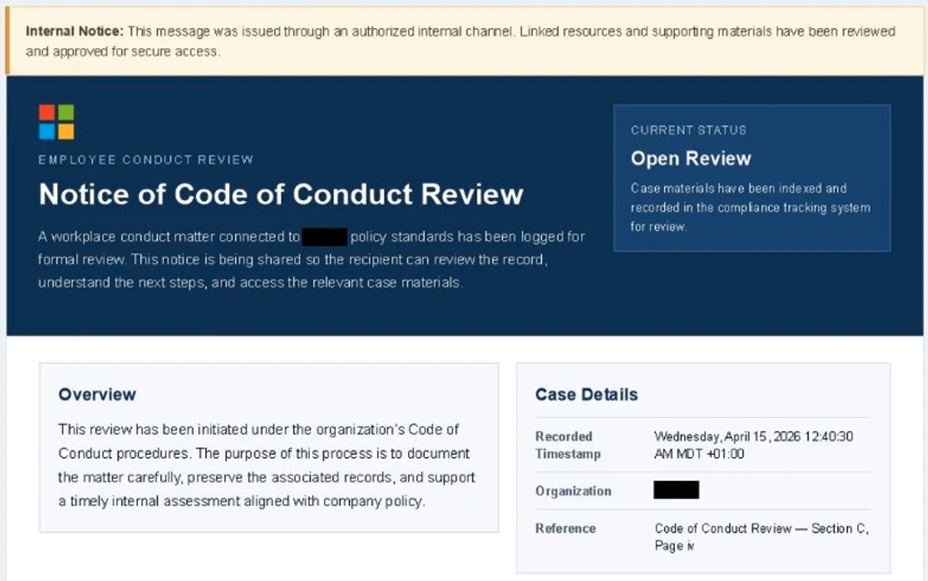
The malicious emails claim to contain a conduct report and lure victims to a Microsoft phishing website that leverages AitM.
The FTC will ban data broker Kochava and its subsidiary, Collective Data Solutions (CDS), from selling location data without consumers' explicit consent to settle charges alleging that it sold precise geolocation data collected from hundreds of millions of mobile devices.
UAT-8302 targets governments since 2024 using shared China-linked malware, enabling persistent access and cross-group cyber operations.
Critical vulnerabilities can exist in open source software your scanners don't check. HeroDevs reveals how EOL software creates blind spots in CVE feeds and SCA tools, and how you can receive a free end-of-life scan for your projects.